A Life in Pigment & Form
Shraga Weil has spent more than five decades translating the quiet intensity of the human experience into oil and charcoal. Rooted in a classical atelier tradition yet unafraid of contemporary narrative, his practice moves between monumental public commissions and intimate studio studies—each work a conversation between memory, material, and the light of the Levant. Collectors, curators, and fellow painters recognize in his surfaces a rare patience: a commitment to seeing that transforms the ordinary into the timeless.
Life & Formation
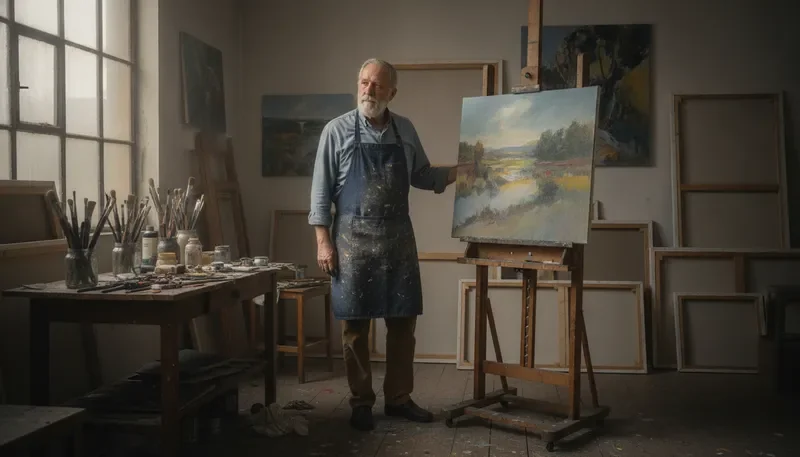
Shraga Weil's artistic journey began in the vibrant cultural landscape of pre-war Europe, where a deep connection to classical tradition was forged alongside an emerging modernist sensibility. His early formation was steeped in rigorous academic training, yet marked by an intuitive pull toward the expressive potential of color and form. This foundational period instilled a discipline that would underpin a lifetime of creative exploration, allowing him to navigate the shifting currents of 20th-century art with both reverence for the past and a bold vision for the future.
Settling in Israel, Weil became an integral figure in the development of the nation's visual identity. His work evolved through a profound dialogue with the local landscape, light, and cultural narrative, moving from figurative precision to a more symbolic and abstracted language. As a founding member of the influential 'New Horizons' (Ofakim Hadashim) group, he championed the role of universal modernism within a distinctly Israeli context, earning international recognition and solidifying his place as one of the country's most significant modern masters. His extensive body of work, encompassing painting, murals, and graphic art, stands as a testament to a life dedicated to the pursuit of beauty and truth, leaving an indelible mark on fine art portfolios worldwide.
Today, Weil's paintings are held in major museum collections and private holdings, celebrated for their lyrical abstraction and masterful technique. His legacy continues to inspire new generations of artists and collectors, offering a timeless benchmark within fine arts centers and a profound example of how a singular artistic voice can shape the cultural heritage of a nation.
The Artistic Process
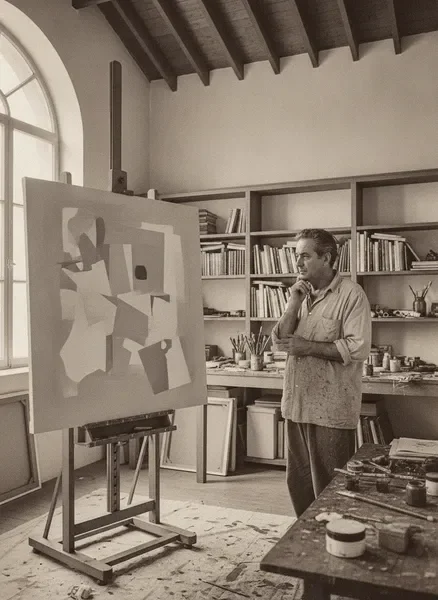
Every painting begins with a quiet observation—a moment of stillness where light, form, and memory converge. For Shraga Weil, the creative journey is not merely a technical exercise but a deeply personal dialogue between the artist, the material, and the intangible atmosphere that shapes each composition. The process unfolds with patience and reverence for the medium, allowing the work to reveal itself layer by layer.
Materials & Medium
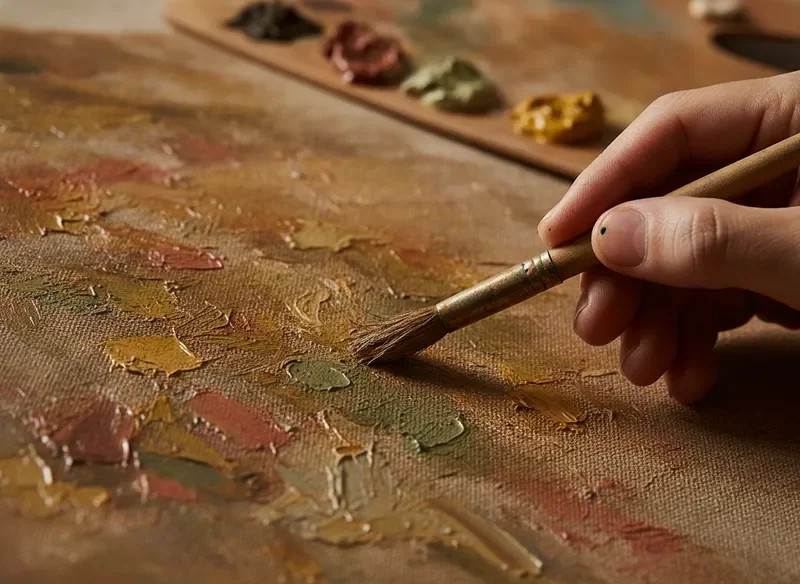
Working primarily with oil on linen, Shraga selects pigments for their depth and luminosity. The canvas is prepared with traditional gesso grounds, creating a receptive surface that holds each brushstroke with clarity. This commitment to archival-quality materials ensures that every piece endures as a lasting testament to the artistic vision.
Working Rhythm
The studio practice follows a deliberate rhythm—periods of intense, focused painting interspersed with contemplative distance. This cyclical approach allows the artist to build complex glazes and subtle tonal shifts, returning to the easel with fresh eyes to assess balance, proportion, and the emotional resonance of the emerging image.
Conceptual Atmosphere
Beyond technique, Weil's work is driven by a pursuit of atmosphere—the quiet tension between presence and absence, the weight of memory held within architectural spaces and natural light. Each painting aspires to capture not just what is seen, but what is felt in the silent moments between looking and understanding.
Artistic Milestones
A chronology of notable periods, exhibitions, and institutional recognition that have shaped the artist's journey and fine arts center contributions.
Early Practice & Foundation
The formative years were spent immersed in classical drawing and composition, developing the rigorous observational skills that underpin every artwork portfolio example. Working from life and plaster casts, the artist built a vocabulary of line and tone that remains the backbone of his practice.
First Solo Exhibition
A debut solo show introduced the public to a cohesive body of work exploring memory and materiality. The exhibition was noted for its quiet intensity and earned the artist his first critical reviews, positioning him as a distinct voice within the vita brevis fine art conversation.
International Recognition
Participation in juried biennials and group shows across Europe and North America brought wider attention. Works entered permanent collections at several regional fine arts centers, confirming the artist's relevance beyond his home market and opening new dialogues with international collectors.
Institutional Acquisitions
Several key paintings were acquired by museums and university collections, a milestone that validated the artist's long-term contribution to contemporary painting. These acquisitions serve as enduring examples of art portfolios that balance technical mastery with conceptual depth.
Current Direction & Studio Practice
Today the studio operates as a space of continuous inquiry, where new series evolve from sustained engagement with materials, light, and the physical act of painting. Recent works have been featured in major surveys of contemporary realism, and the artist continues to exhibit regularly while mentoring emerging painters.
On the Act of Seeing
Painting is not about recording what stands before me — it is a dialogue with memory, light, and the quiet patience of material. Each canvas begins as an observation, but it finds its voice in the spaces between recognition and abstraction. I work slowly, allowing the pigment to settle, the surface to hold breath, and the image to emerge as something felt rather than merely seen. In a world that moves too fast for deep looking, my practice remains a commitment to stillness, to the slow revelation of color, and to the belief that a painting can hold the weight of a moment long after it has passed.